

Quick answer: To get a house ready to sell in St. Clair County, start by asking your city or village whether an occupancy inspection is required, then gather your paperwork: survey, tax bill, HOA documents, utility history and warranties. After that, handle obvious repairs, consider a radon test, declutter, and keep the walks and lights ready for winter showings.
Most “get your house ready” advice starts with paint colors and throw pillows. That stuff has its place, but it is not what holds up a sale around here. What holds up a sale is the inspection nobody scheduled, the survey nobody can find, and the condo documents that take longer to arrive than anyone expected.
So this checklist runs in the order that actually saves you time, with the boring parts first. If you are listing in late fall or winter, that order matters even more, because every week counts a little extra. Homes that sold in November in St. Clair County took a median of 34 days, and homes that sold in December took 39, based on our look at six years of local MLS sales. Not a huge difference from spring, but no reason to add delays of your own.
1. Ask your town about an occupancy inspection
This is the step most out of town advice skips, and it is the one most likely to catch you off guard. Several places in St. Clair County tie a new owner’s move in to a local inspection or occupancy permit.
- Belleville. The city’s Residential Occupancy Permit Process says a Residential Certificate of Occupancy must be obtained before a residence can be legally occupied, and that it requires a city inspection covering things like the electrical and plumbing systems and structural elements. For sellers, the city recommends calling for a housing inspection as soon as you decide to sell.
- Unincorporated St. Clair County, plus Millstadt, Fayetteville and East Carondelet. The county’s Occupancy Program inspects upon change of occupancy, including the purchase of residential property, and lists those three villages as contracted municipalities. The owner or agent requests the inspection, and it is valid for one year.
- Swansea. The village’s program overview says inspections are scheduled with St. Clair County, and the occupancy permit is issued once the county confirms the property passed.
For O’Fallon, Shiloh, Fairview Heights, Mascoutah, Freeburg, Lebanon and everywhere else, call your city hall or village hall and ask a simple question: “Is an inspection or occupancy permit required when a house is sold?” Programs, fees and rules change, so get the answer from the source rather than from a neighbor who sold in 2015.
If an inspection is required, schedule it early. Anything it flags becomes part of your repair list, and it is much easier to fix a missing handrail in November than during the week before closing.
2. Gather the paperwork
Buyers, lenders and attorneys will ask for most of this eventually. Having it in one folder, paper or digital, makes you look organized and keeps the process moving.
- Survey. If you received one when you bought, find it. It helps answer fence line and easement questions before they come up.
- Your most recent property tax bill. Buyers always ask. If you want to understand why the number looks the way it does, we explain it in why St. Clair County property taxes are so high.
- HOA or condo documents. Declaration, bylaws, rules, budget and dues. For condos, the Illinois Condominium Property Act requires a selling unit owner to obtain certain documents from the board and make them available to a buyer on request, and the association has 10 business days to furnish them after a written request. Ask early.
- Twelve months of utility bills. Gas, electric, water, trash. Buyers want to know what the house costs to run, especially heading into winter.
- Warranties, manuals and receipts. Roof, furnace, air conditioner, water heater, windows, any transferable warranties. Receipts for major work show when it was done.
- Permits. If you finished a basement or added a deck, find the permit paperwork if there was one.
- Mortgage and payoff information. Your lender and loan number, so the closing side can request a payoff.

3. Get your disclosure forms in front of you
Illinois sellers of most homes fill out the Residential Real Property Disclosure Report, a form with 24 statements about things like the basement, roof, electrical and plumbing systems, and radon. It is based on what you actually know, and the law does not require you to investigate to fill it out. Read it now, not the night before an offer, so you have time to find receipts or ask questions.
Two other disclosures often come along with it:
- Radon. Under the Illinois Radon Awareness Act, sellers give buyers the IEMA radon pamphlet and a radon disclosure form, along with any test results in their possession showing elevated levels.
- Lead paint, if your house was built before 1978. Federal rules require sellers to disclose known lead-based paint and hazards, provide available records, and give buyers the EPA pamphlet, according to the EPA.
If anything on these forms makes you unsure how to answer, that is a good question for a real estate attorney before you list.
4. Consider a radon test before you list
You are not required to test. But IEMA strongly recommends that all homebuyers test before they buy, so there is a good chance your buyer will. Its real estate testing guidelines call for short term tests of 48 hours or longer, and recommend fixing the home if the result is 4 pCi/L or more.
Testing early gives you time to install a mitigation system on your own schedule instead of under a contract deadline. The tradeoff: a high result you know about is information you have to share, so decide with your eyes open. If you test, IEMA advises against relying on a measurement by anyone other than a licensed measurement professional.
5. Handle the repairs a buyer will notice
Skip the kitchen remodel. The repairs that matter before listing are the ones that show up in photos, in a city inspection, or on page one of a buyer’s inspection report.
- Active leaks, water stains, and anything damp in the basement.
- Electrical safety items: missing cover plates, dead outlets, loose fixtures.
- Smoke and carbon monoxide detectors that work.
- Loose handrails, sticking doors, broken window locks.
- A furnace service before the heating season, with the receipt in your folder.
Keep every receipt. A buyer who sees that the furnace was serviced last month has one less thing to worry about.
6. Declutter, then clean
Not staging, just subtraction. Clear counters, thin out closets, take a third of the stuff off the bookshelves, and pack up the things you will not miss before moving day. Then clean like someone is going to open the oven, because someone will. A tidy house also photographs better, and in winter the photos have to carry more of the load.
7. Curb appeal for a November listing
Lawn stripes are off the table in November. Here is what still counts:
- Lights. Every exterior bulb working. It gets dark early, and plenty of showings happen after work.
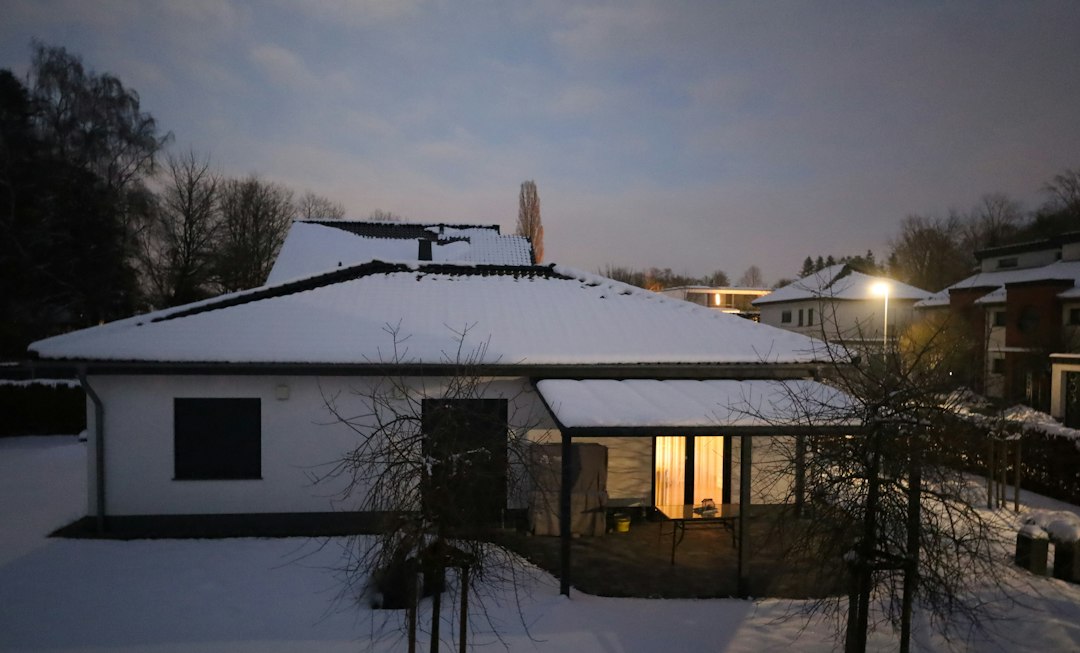
- Walks, steps and driveway. Clear of leaves, snow and ice, with salt or ice melt by the door. Nobody makes an offer on the house where they slipped.
- Gutters and beds. Leaves out of the gutters and off the flower beds.
- The front door. Clean, with visible house numbers and a doormat, since buyers will be stomping off boots.
8. Price for the season you are in
The last step is the one that decides everything else. A well prepared house at the wrong price still sits. Look at what comparable homes have actually closed for recently, not what is sitting on the market, and read our guide on how to price your house properly before you pick a number.
Frequently asked questions
Does Belleville require an inspection when you sell a house?
Belleville requires a Residential Certificate of Occupancy before a residence can be legally occupied, and that requires a city inspection. The city recommends that sellers call for a housing inspection as soon as they decide to sell. Call the Health, Housing and Building Department to confirm current steps and fees.
What documents should I gather before listing my house?
Start with your survey, most recent property tax bill, HOA or condo documents, twelve months of utility bills, warranties and receipts for major systems, any permits for past work, and your mortgage payoff information. Also review the Illinois disclosure report, the radon disclosure and, for homes built before 1978, the lead paint disclosure.
Do I have to test for radon before selling in Illinois?
No. The Illinois Radon Awareness Act does not require sellers to test or mitigate. Sellers must give buyers the IEMA radon pamphlet and a radon disclosure, and share any test results in their possession showing elevated levels. Some sellers test early so there is time to address a high result.
Is November a bad time to list a house in St. Clair County?
Not really. Homes that sold in November in St. Clair County took a median of 34 days, based on 2021 to 2026 MLS sales, compared with 30 days from April through June. A prepared, well priced house can sell in any month.
Getting ready to list?
The checklist is easier when you know where you are starting from. Get a free home value estimate first, then walk through our home sellers guide for St. Clair County. If you want help figuring out which items on this list your house actually needs, give us a call.
Craig Ziegel, Single Tree Team, eXp Realty. Serving Belleville, O’Fallon, Shiloh, Swansea, Mascoutah, Millstadt, Freeburg and the rest of St. Clair County.