
If you’re looking at homes in St. Clair County, you’ve probably already noticed it: the sticker price is friendly, but the tax line on the closing disclosure is not. This is the single most common question I get asked, whether it’s a first-time buyer running numbers in O’Fallon or a seller in Belleville trying to figure out why their bill jumped again this year.
Short answer: St. Clair County’s effective property tax rate runs around 2.5%, well above the roughly 1% national median and higher than the Illinois state median. That’s not a fluke or a temporary spike. It’s structural, and once you understand why, you can plan for it instead of getting blindsided by it.
Why Are Property Taxes So High in St. Clair County?
St. Clair County’s property taxes are high mainly because of layered local levies stacked on top of the base county rate. Every property here is taxed by multiple overlapping taxing bodies at once: your school district, the county, your municipality, park districts, library districts, and in some areas special service areas (SSAs) or fire protection districts. Each one sets its own levy, and they all add up on a single bill.
School district levies are usually the biggest single piece of that stack. Illinois relies heavily on local property taxes to fund schools rather than spreading that burden through state income tax, so counties like St. Clair carry more of that weight locally.
The rate also varies a lot depending on exactly where you are in the county. East St. Louis sits at the high end, with effective rates well above the county average. Collinsville sits at the low end. O’Fallon, Shiloh, and Belleville all fall somewhere in between, which is exactly why the same purchase price can mean two very different monthly payments depending on which side of a municipal line the house sits on.
What This Actually Means If You’re Buying
Here’s the part most buyers miss: a low purchase price does not automatically mean a low monthly payment. If you’re comparing a $220,000 home in St. Clair County to a $220,000 home somewhere with a 1.2% rate, your Metro East payment is going to run higher every single month once taxes are escrowed in.
That’s not a reason to avoid the county. St. Clair County is still appreciating faster than the Illinois state average while sitting well below the statewide median price, which means you’re buying into growth at a lower entry point. It just means your pre-approval and your monthly budget need to be built around the real number, not the sale price alone.

A few things I walk every buyer through before they write an offer:
- Pull the actual current tax bill for the specific property, not a countywide average. Rates can shift meaningfully street to street depending on school and municipal boundaries.
- Ask whether the home carries a homestead exemption, and confirm it will transfer or need to be reapplied for under your name.
- Budget the tax line as its own number in your monthly payment, not as an afterthought your lender rolls in.
- If you’re a veteran, senior, or have a disability, ask about exemption eligibility before closing. These can meaningfully reduce your assessed value.
What This Means If You’re Selling
Sellers, this cuts the other way. Buyers coming from lower-tax areas will ask about this, and if you can’t answer clearly, it plants doubt at the exact moment you need confidence. The sellers who handle this well are the ones who get ahead of it instead of hoping it doesn’t come up.
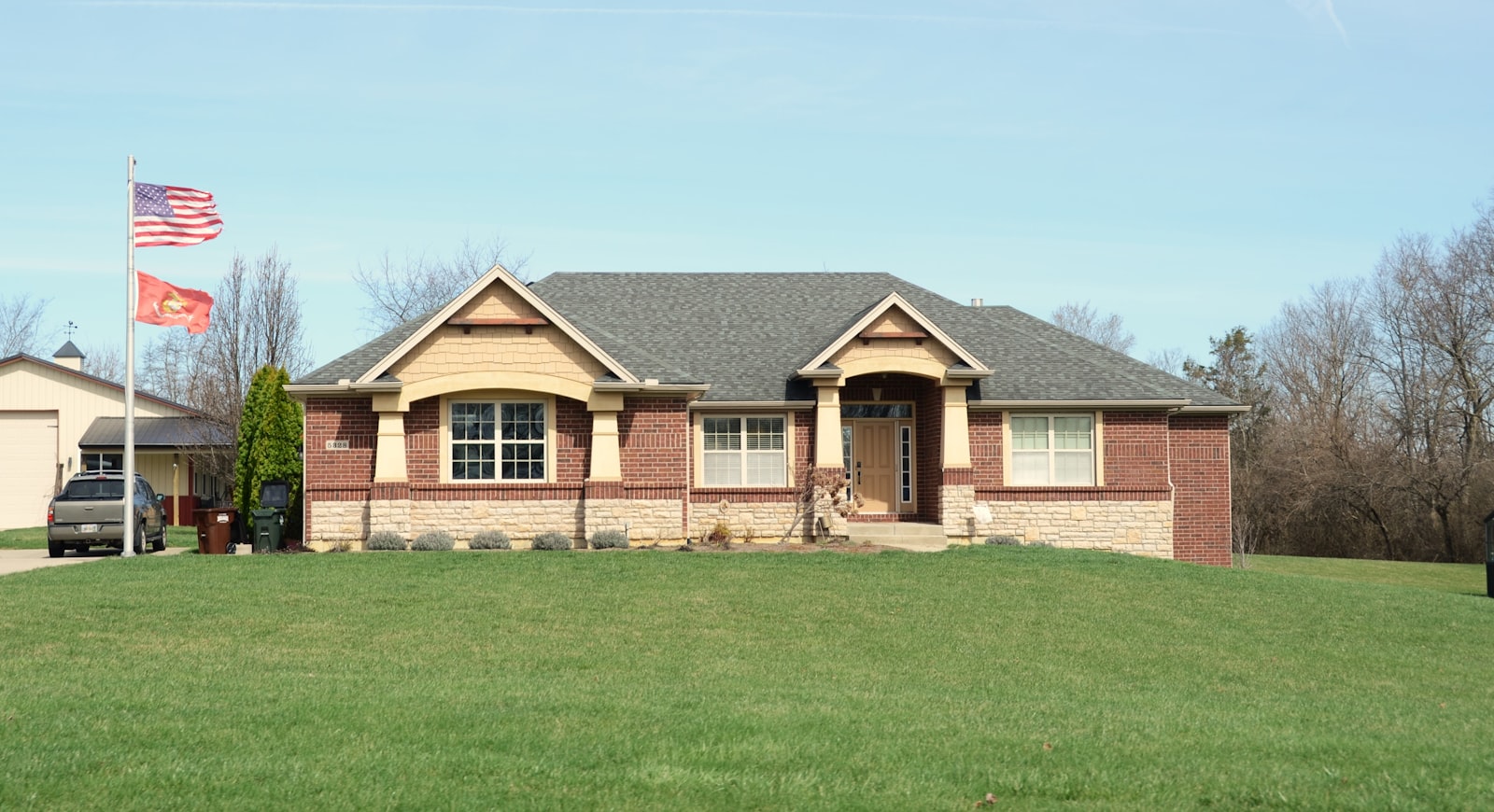
Have your most recent tax bill ready to hand over. If your home carries an exemption that won’t transfer to a new owner, know that number so you can explain the delta instead of letting a buyer’s agent frame it as a surprise. And if your assessment feels out of line with comparable homes, it may be worth a conversation about an appeal before you list, since a lower assessed value is a selling point buyers notice.
The One Big Break Illinois Gives Veterans: The Disabled Veterans’ Exemption
Here’s something I make sure every veteran I work with in St. Clair County knows about, because it’s genuinely one of the best things Illinois does for the people who served. It’s called the Standard Homestead Exemption for Veterans with Disabilities (SHEVD), and depending on your VA disability rating, it can wipe out your property tax bill entirely.
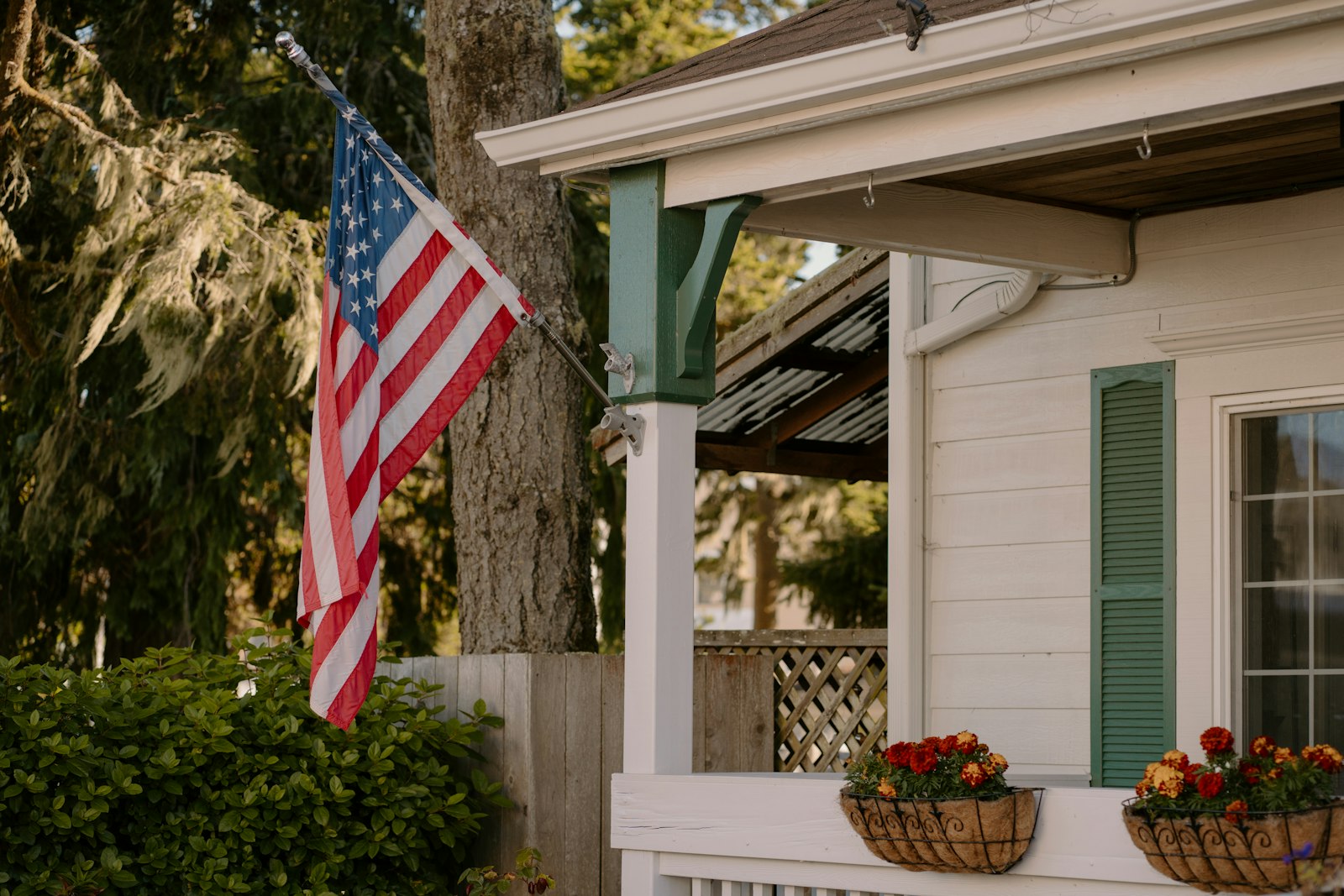
The exemption is tiered based on your service-connected disability percentage, certified by the U.S. Department of Veterans Affairs:
- 30% to 49% disability: $2,500 reduction in your home’s equalized assessed value (EAV) every year
- 50% to 69% disability: $5,000 reduction in EAV every year
- 70% or higher disability: The first $250,000 of your home’s EAV is fully exempt from taxation, which means most veterans at this level pay little to nothing in property taxes on their primary residence
To qualify, you need to be an Illinois resident who served on active duty or state active duty, in the Illinois National Guard, or in the U.S. Reserve Forces, with an honorable discharge, and you need to own and occupy the home as your primary residence. An un-remarried surviving spouse can continue receiving this exemption, or transfer it one time to a new primary residence.
There’s also a separate benefit worth knowing about if you’re newly back from deployment: the Returning Veterans’ Homestead Exemption gives a one-time $5,000 EAV reduction for the assessment year you return from active duty in an armed conflict, plus the following year, with no disability rating required at all.
Both exemptions are filed through the St. Clair County Assessor’s office using form PTAX-342, and the 70%+ exemption must be renewed annually. The Veterans Assistance Commission of St. Clair County also works directly with the Assessor’s office to help veterans get their paperwork right the first time, so if you’re a veteran or you’re working with a veteran buyer or seller, that’s a resource worth pointing them to before the application goes in.
If you’re a veteran shopping in St. Clair County, this changes the math on the taxes conversation entirely. A home that looks expensive on the tax line for a civilian buyer can end up nearly tax-free for you.
The Bigger Picture
Property taxes are one piece of a market that, overall, still makes a strong case for itself. St. Clair County’s median sale price is appreciating faster than the state average while remaining well below the statewide median, Scott Air Force Base continues to anchor steady buyer demand through PCS season, and areas like Belleville still offer some of the widest inventory in the region for buyers who’ve been priced out elsewhere.
Taxes are a real cost. They’re also a knowable, plannable one, and that’s the difference between a number that scares you off and a number you simply build into your plan.
Frequently Asked Questions
Why are St. Clair County, IL property taxes higher than the state average?
St. Clair County’s effective property tax rate is around 2.5%, above both the national median of roughly 1% and the Illinois state median, mainly due to overlapping levies from school districts, municipalities, and special service areas that stack on top of the base county rate.
What is the average property tax bill in St. Clair County?
The median property tax bill in St. Clair County runs in the range of $2,300 to $3,000 per year, though the exact amount depends heavily on the specific municipality, school district, and assessed home value.
Which areas in St. Clair County have the highest property tax rates?
East St. Louis has the highest effective property tax rate in the county, while Collinsville has one of the lowest. O’Fallon, Shiloh, and Belleville fall in between, so location within the county matters as much as the county average.
Can I lower my property taxes in St. Clair County?
Yes. Homestead exemptions, senior exemptions, and disability exemptions can reduce your assessed value, and homeowners who believe their assessment is inaccurate compared to similar properties can file an appeal with the County Assessor’s office.
Is St. Clair County still a good place to buy despite higher property taxes?
Yes, for most buyers the math still works. St. Clair County’s median home prices are appreciating faster than the Illinois state average while remaining well below the statewide median price, so buyers are getting stronger growth at a lower entry point even after accounting for the higher tax rate.
Do disabled veterans get a property tax break in St. Clair County, IL?
Yes. Illinois’s Standard Homestead Exemption for Veterans with Disabilities reduces a veteran’s home value by $2,500 at a 30-49% VA disability rating, $5,000 at 50-69%, and fully exempts the first $250,000 of assessed value at 70% or higher, which eliminates most or all property tax for many veterans. The exemption is filed through the St. Clair County Assessor’s office using form PTAX-342.
Craig Ziegel, Broker | Single Tree Team | eXp Realty, LLC | Licensed in IL
Licensed since 2011, serving St. Clair, Monroe, and Madison counties. If you’re weighing a move in St. Clair County and want the real numbers for a specific address, reach out any time.